
Opening international
At the Genech Institute,’international expansion is an essential dimension of the training pathway. Preparing our pupils to thrive in environments multicultural, to master languages and to understand the major issues of the contemporary world.
- 3 labels recognised
- 6 language certifications
- Erasmus+ accredited
OUR AMBITION
The international, an essential aspect of our journeys.
At the Institut de Genech, an international outlook is a key aspect of the educational programme. In a globalised world, we are committed to preparing our pupils to thrive in multicultural environments, to master languages and to understand the major challenges of the contemporary world.
From their school days, learners develop their linguistic and intercultural skills through demanding pathways and hands-on experiences :
- a strong emphasis on modern languages and internationally recognised certifications
- specific pathways such as European sections or double degrees
- immersive experiences abroad (exchange programmes, work placements, long-term stays)
- international projects promoting engagement, cultural openness and public speaking
This approach enables everyone to to chart an ambitious course, broaden one’s horizons and prepare for an academic and professional future without limits.
International opportunities
Building your own academic background internationally.
Our qualifications and certifications.
International qualifications and language certificates to have your skills officially recognised and showcase your career progression.
The European stream enables pupils to deepen their command of modern languages whilst developing their skills in a subject taught in a foreign language (DNL). It is aimed at motivated pupils who wish to progress within a challenging and dynamic environment, where the language is used in real-life situations.
- English history-geography, biology and geology, physics-chemistry
- Spanish : EPS
- German : economics and social sciences
The European section accounts for around 2 extra hours per week, split between:
- language training
- teaching a non-language subject in a foreign language
- cultural projects and initiatives to promote international engagement
Pupils also benefit from immersion experiences and language exchanges, notably in English-speaking, Spanish-speaking and German-speaking countries.
Access to the European section takes place at the end of Year 9. It is aimed at motivated, curious pupils who are ready to get actively involved and dare to express themselves in a foreign language, even imperfectly to begin with.
Learning is based on regular speaking practice, group work and practical role-play that encourage fluency in expression and interaction.
The European section is recognised on the Baccalauréat by a specific endorsement and is an asset for higher education, particularly on selective and international courses.
Language certifications allow students to have their level in several foreign languages officially recognised through international diplomas. They are a real asset for higher education, Parcoursup and professional integration.
They develop essential skills such as oral and written comprehension and expression, autonomy, methodology, rigor, and time management.
Certification aimed at strengthening and certifying an English level from B1 to C1, internationally recognised and enhancing academic and professional profiles.
- 1 h per week (outside of timetable)
An official certificate attesting to a level of Spanish (A2 to C1), recognised for life and in many countries, and useful for mobility and further education.
- 1 h per week (outside of timetable)
Official German B1 certification, facilitating communication, studying in Germany and building a bilingual profile.
- Integrated preparation as part of language lessons.
CertiLingua is a European quality label that recognises multilingual skills, intercultural engagement and participation in international projects. It is a highly regarded mark of quality within European higher education.
Achieving this accreditation involves a rigorous process:
- To study in a European stream from Year 10 to A-levels,
- Achieve a B2 level in two modern languages
- Get involved in international intercultural projects.
- To write and present a dissertation in a foreign language.
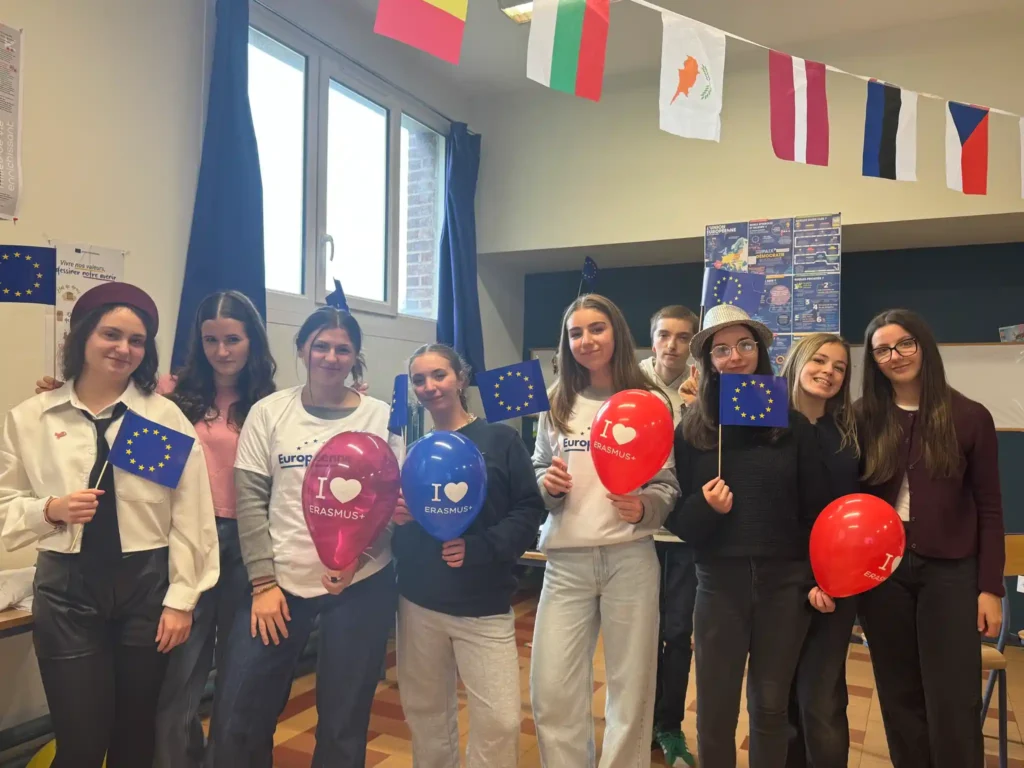
The High School Diploma, offered as part of the programme Academica Dual Diploma™, enables pupils to study for an official American qualification recognised by the Department of Education of the relevant US state, alongside the French baccalaureate.
The programme runs for the three years of sixth form and involves regular support outside school hours. Pupils take online lessons taught by American teachers, entirely in English, with continuous assessment and evaluations throughout the year.
The course is 100 % digital, taught in English and tailored to the student’s level. It requires regular commitment outside school hours, with approximately 3 to 5 hours of work per week, and encourages independence and a structured approach to organising one’s work.
This dual-track programme offers genuine international opportunities, by improving students’ English language skills and enhancing their academic record with a view to further study in France or abroad, particularly at the grandes écoles or American universities.
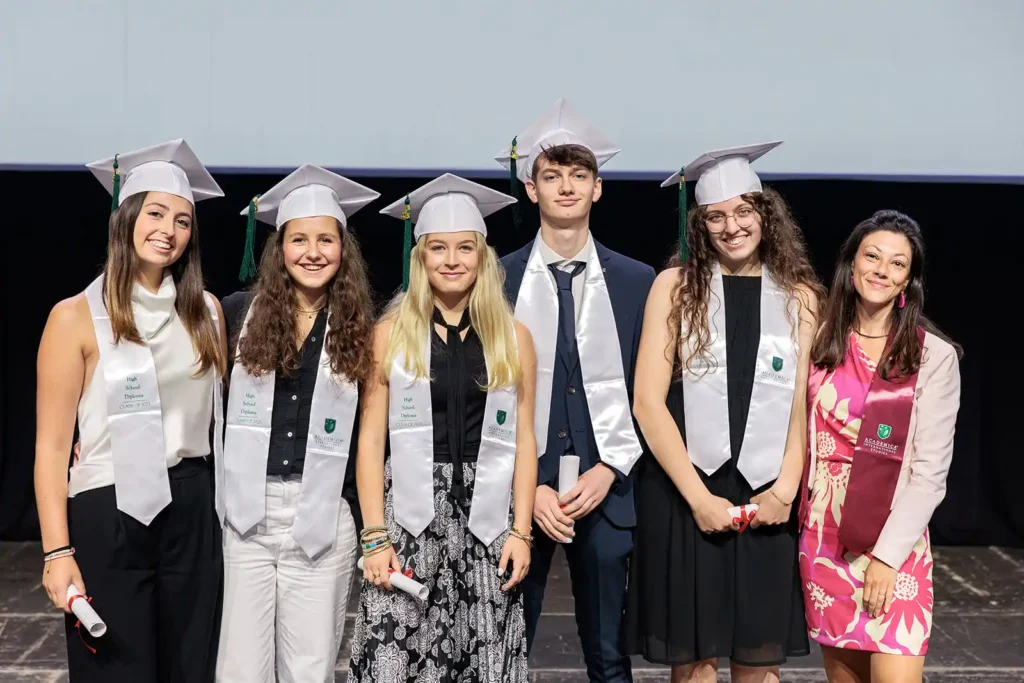
Having experiences abroad.
Erasmus+ placements, language immersion programmes, Model United Nations (MUN) or gap years after A-levels: structured programmes designed to develop independence, cultural awareness and intercultural skills.
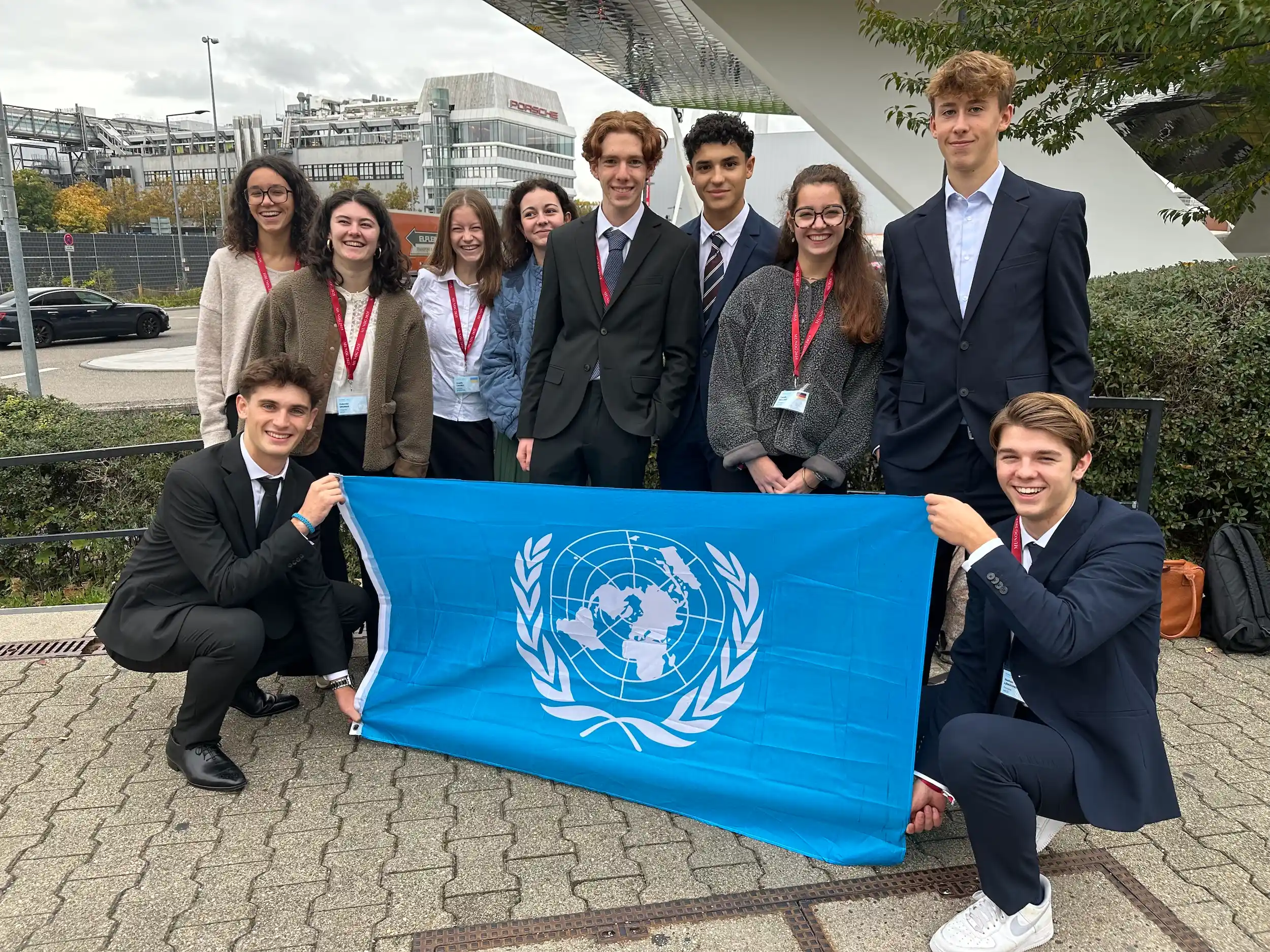
The Model of United Nations (MUN) offers pupils the opportunity to take part in international diplomatic simulations in which they represent a country, debate major global issues and defend diplomatic positions. This programme helps pupils develop a practical understanding of international relations within a challenging and educational framework.
The programme is based on one hour of preparation per week (excluding the timetable). Students are supported throughout the year to take part in various conferences, such as the G-MUN organised by the school, the EDHEC MUN and other international conferences.
Pupils work in teams to prepare topics on current international affairs, formulate diplomatic positions and practise public speaking. They then take on the roles of delegations at conferences, in a formal and structured setting, conducted entirely in a foreign language.
Model United Nations develops key skills such as public speaking, argumentation, collaborative working and the analysis of international issues. This experience, which is highly regarded in academic records and on Parcoursup, is a genuine asset for pupils wishing to pursue studies related to international affairs, political science or communication.
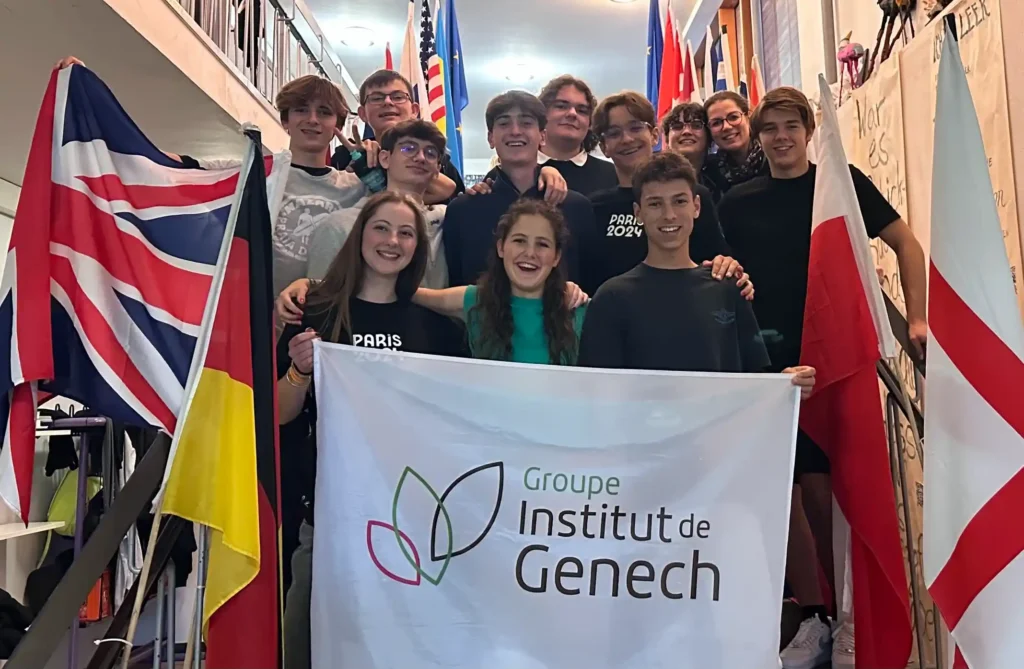
The international immersion programme, run in partnership with YFU, enables pupils to have their first experience abroad by attending a secondary school and staying with a host family. This programme offers complete linguistic and cultural immersion, encouraging daily use of the language in real-life situations.
The holiday takes place over a period of 2 to 3 months, at the end of the second year of secondary school, as part of a partnership with the organisation YFU (Youth For Understanding). Several destinations are on offer, including Spain, English-speaking Canada, Australia, South Africa and the dual programme in Ecuador.
The pupils are integrated into a local school and share the daily life of a host family. This total immersion enables them to discover a new culture whilst developing their independence and adaptability.
This programme enables students to have the confidence to express themselves in a foreign language on a daily basis, to build their self-confidence and to gain their first formative international experience. It is a key step in developing open-mindedness, independence and linguistic fluency.
The post-A-level gap year allows students to experience a year abroad before continuing their higher education. It offers the opportunity to build a personal, academic or professional project abroad, whilst developing independence and a broader worldview.
This experience takes place over a year, after obtaining the baccalaureate, as part of a structured project supported by the institution.
Students can enrol in partner institutions abroad or engage in a mobility project, combining studies, cultural discovery and personal experience in a new environment.
- University of Winnipeg (Canada)
Students pursue university studies in French in an English-speaking environment, promoting an international outlook and an enriching cultural immersion. - CÉGEP – Saguenay–Lac-Saint-Jean (Quebec)
This pathway offers a hands-on, career-oriented pre-university or technical training programme, designed to develop autonomy, adaptability and intercultural skills.
The post-secondary gap year allows students to mature their career orientation plans, gain independence and develop key skills such as adaptability, intercultural communication and the ability to thrive in an international context.
Erasmus+ work placements offer learners the opportunity to gain professional experience in a company in Europe or internationally, as part of individual mobilities that can be funded by the Erasmus+ programme. This immersion constitutes a first practical experience abroad, combining cultural discovery and the putting into practice of professional skills.
Erasmus+ mobilities are integrated into the training pathway according to the educational tracks and internship opportunities, for varying durations ranging from from a few weeks to several months. Each project receives support with its educational, linguistic and professional preparation.
Learners join a company abroad to gain real-world work experience, discover new ways of working and develop their skills in a multicultural environment.
Erasmus+ work placements promote international awareness whilst developing key skills such as professionalism, adaptability and intercultural communication. They are also a real asset for further study and entering the world of work in an increasingly globalised world.
At the Institute, students on the vocational course and the STAV programme can enjoy a unique experience thanks to the Erasmus+ programme.
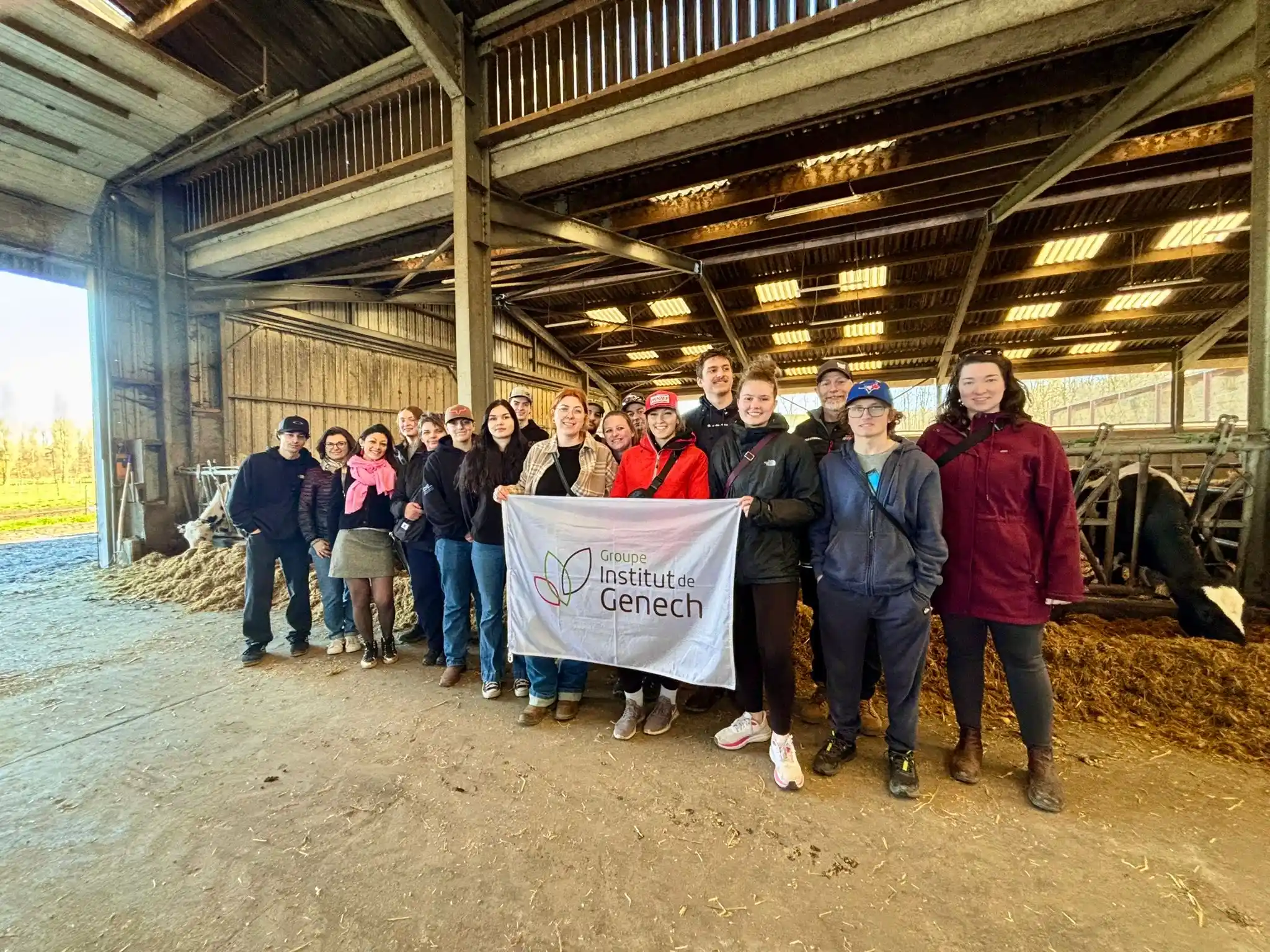
During their training, they have the opportunity to undertake a a 15-day individual work placement in an English- or Spanish-speaking country. This work experience enables them to discover new professional practices, broaden their horizons and develop their independence.
As well as providing professional experience, this stay offers a genuine opportunity to improve your foreign language skills through daily immersion in the culture and local life of the host country.
This mobility is also an asset for the future: it enhances young people's CVs and their study or professional integration projects. Vocational students can also present the’Optional Mobility Module at Bachelor’s Level, official recognition of their international experience.
Through Erasmus+, our pupils gain confidence, a broader outlook on the world and the skills they need to build their future.
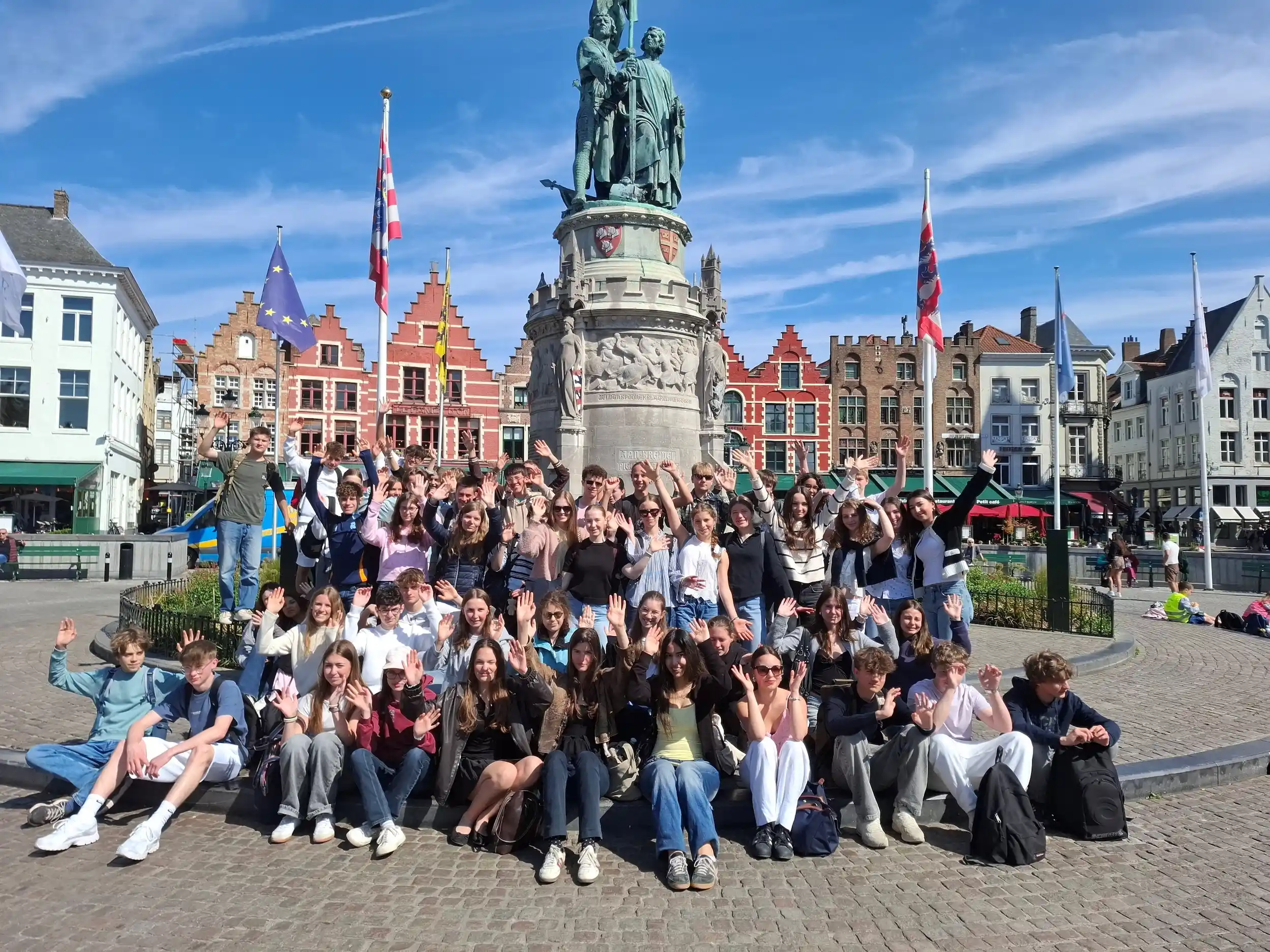
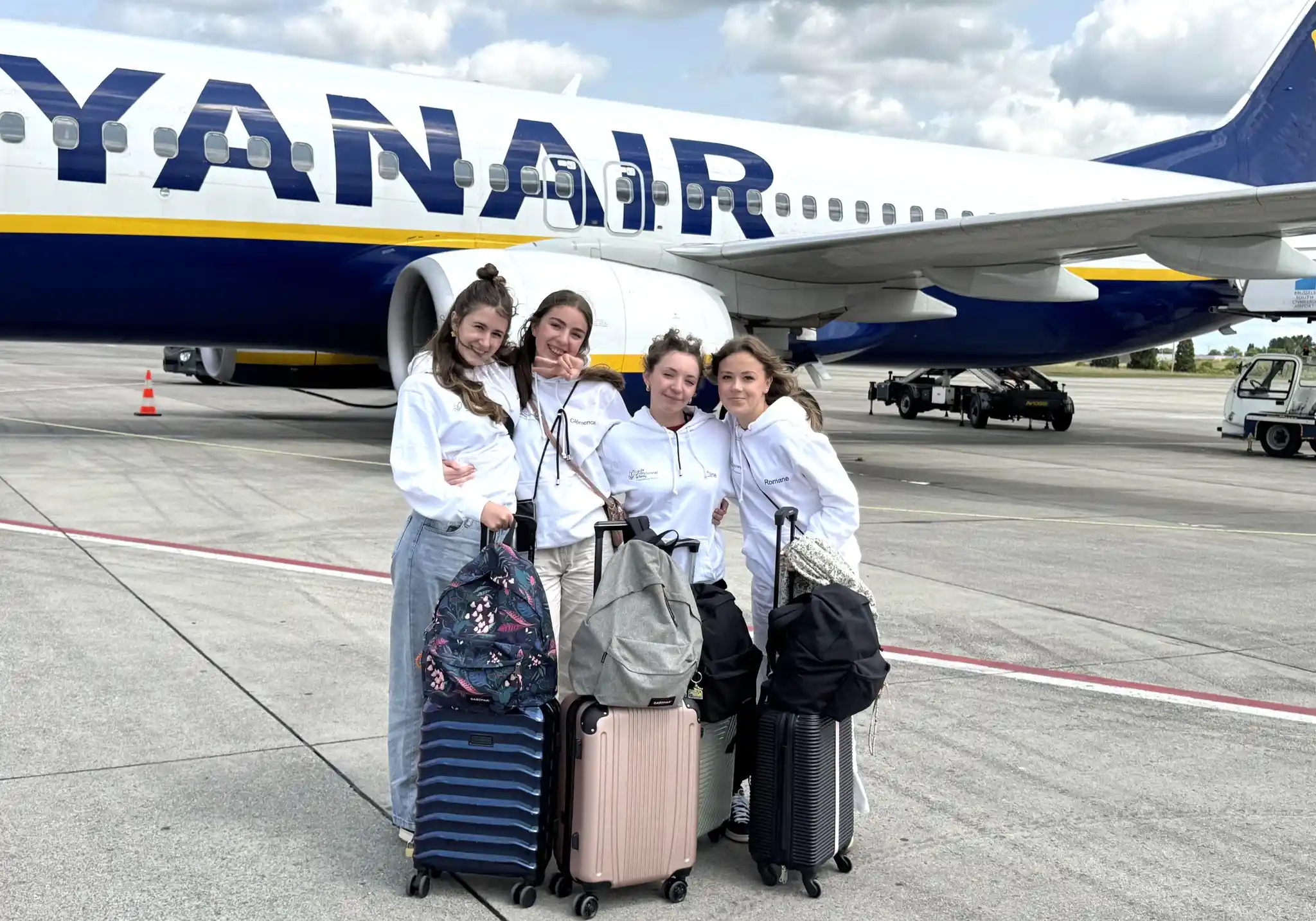
Throughout their school years, pupils at general secondary schools can take part in collective transport in Germany or Spain. For 5 to 8 days, they live an enriching immersive experience within a host family and discover the daily life of a partner institution.
These trips encourage interaction between young Europeans, the discovery of new cultures and the practical use of foreign languages through team-building activities, joint projects and everyday life.
The adventure then continues at our school as we welcome our international exchange students. Together, the pupils share experiences and reflect on issues that affect them all: the environment and the green transition, digital transformation, participation in democratic life, as well as inclusion and diversity. A wonderful opportunity to grow, to open up to others and to become global citizens!
The internships and stays abroad offered by the Institut de Genech aim to develop open-mindedness, independence, adaptability, and curiosity regarding international professional practices. They also reinforce foreign language skills through practical immersion.
Thanks to the Institute’s network of European partners, students can undertake a study or work placement mobility lasting between 1 and 12 months at a partner company or organisation.
These programmes, supported by the Erasmus+ programme, make mobility accessible through financial support and offer real added value to learners’ educational and professional development.
Thanks to the Erasmus+ programme, staff members can also take part in mobility schemes across Europe. Whether it is to observe new professional practices or to undertake foreign language training, these placements promote skills development, cultural openness and the enrichment of teaching practices, to the benefit of the entire educational community.
The international gap year offers pupils the opportunity to gain experience abroad whilst still attending the Institute, within a supervised and structured framework. This immersion helps pupils to develop authentic language skills, whilst fostering independence, maturity and intercultural awareness.
This experience takes place whilst students are attending the Institute, as part of a partnership with YFU (Youth For Understanding), an organisation specialising in international exchanges.
Pupils experience total linguistic immersion within a new academic, cultural and family environment, enabling them to adapt to new surroundings and fully experience everyday life in another country.
An international gap year is a deeply enriching personal and cultural experience. It fosters independence, self-confidence and the ability to adapt, whilst developing valuable intercultural skills that are essential for further study and building an international career path.
- Ursulinenrealschule secondary school – Cologne, Germany
- Korbinian Secondary School, Erding – Germany
- Sindelfingen MUNOG – Germany
- IES Trafalgar – Barbate, Cádiz, Spain
- IES Auringis – Jaén, Spain
- IES La Rosaleda – Málaga, Spain
- Our Lady of Remedies – Ubrique, Cadiz, Spain
- Buena Vista High School – San Diego, California, USA (virtual exchange)
- Costa Rican Humanistic College – Costa Rica
- Amity International – New Delhi, India
- Ritsumeikan High School – Kyoto, Japan
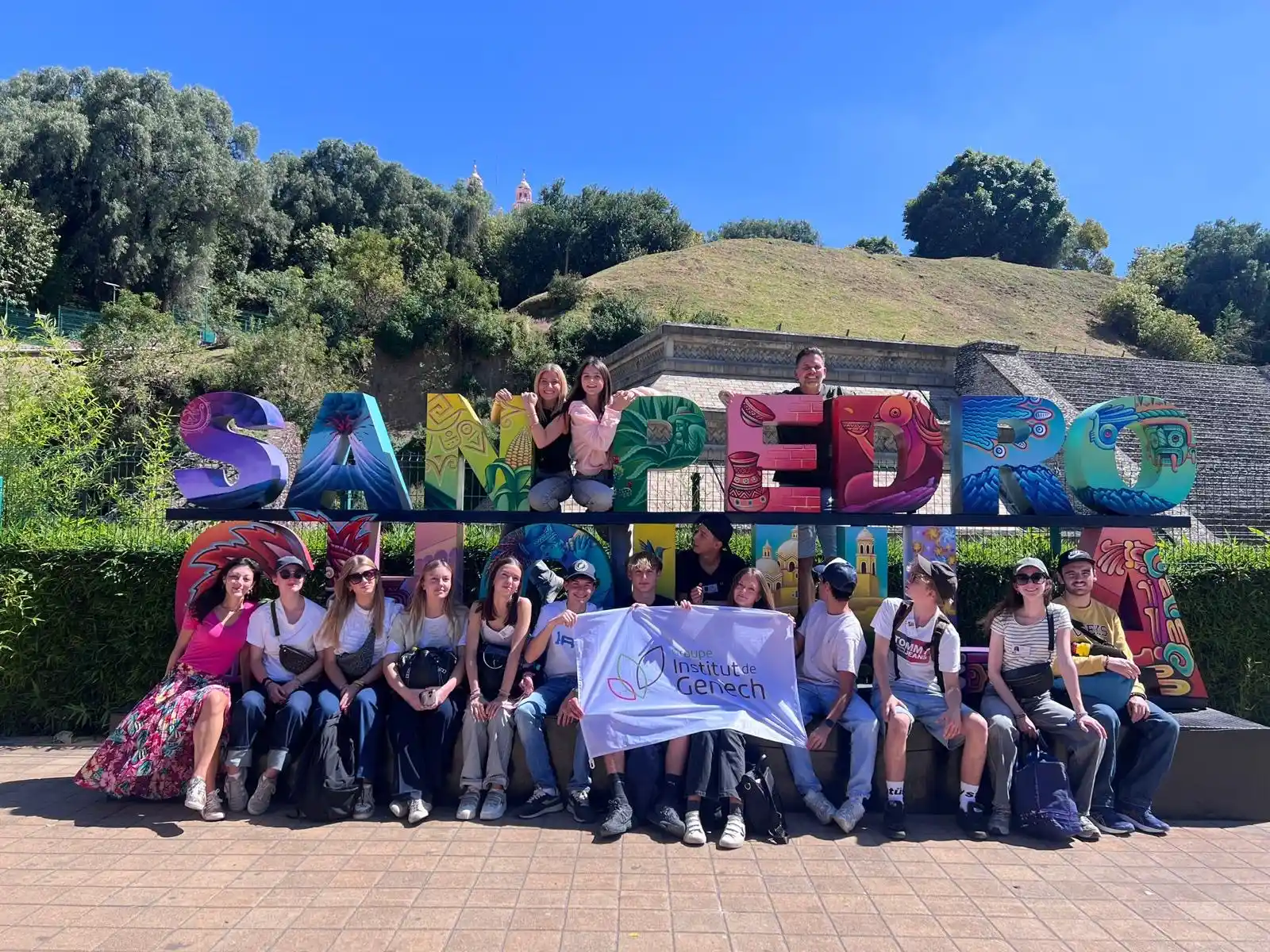
- International Baccalaureate High School – 5 de Mayo, Mexico
- UNLPam Agricultural Pre-university College – Argentina (virtual exchange 2025–2026)
- French School of Cuenca – Ecuador (virtual exchange 2026)
A recognised commitment.
The Institut de Genech Group is involved in international networks and has been awarded several marks of excellence that recognise its commitment to intercultural openness and the quality of its educational approach.
UNESCO Network
The Institut de Genech Group is part of the UNESCO Associated Schools Network, an international network committed to promoting the values of peace, intercultural dialogue and sustainable development.
This commitment forms part of an ambitious educational programme aimed at nurturing citizens who are open to the world, capable of understanding global issues and acting responsibly. Through educational projects, exchanges and practical initiatives, pupils are made aware of human rights, cultural diversity and the major challenges of our time.
Being a member of the UNESCO network means committing to an education focused on global citizenship, educational innovation and the building of a fairer and more sustainable future.
Euroscol Label
Since 2023, the Institut de Genech Group has been accredited Euroscol, a national scheme that recognises and promotes schools’ European and international engagement.
This label highlights an educational approach focused on Europe through the development of educational projects, international partnerships and exchange programmes. It also promotes language learning and cultural awareness amongst pupils.
As part of the construction of a European Education Area, Euroscol helps to nurture pupils who are open to the world and who play an active and committed role as European citizens.
UNESCO Green School
The Institut de Genech Group is one of 95 institutions worldwide to have been awarded the UNESCO Green School – Partnership for Green Education (GEP) label in 2024.
This international label recognises institutions committed to a practical approach to ecological transition, which is integrated into the institution’s management, teaching and school life.
The Genech Institute has been recognised for the quality and scope of its work in the areas of governance, day-to-day practices, teaching and the engagement of the educational community.
A GATEWAY TO EUROPE
The Accreditation Erasmus+.
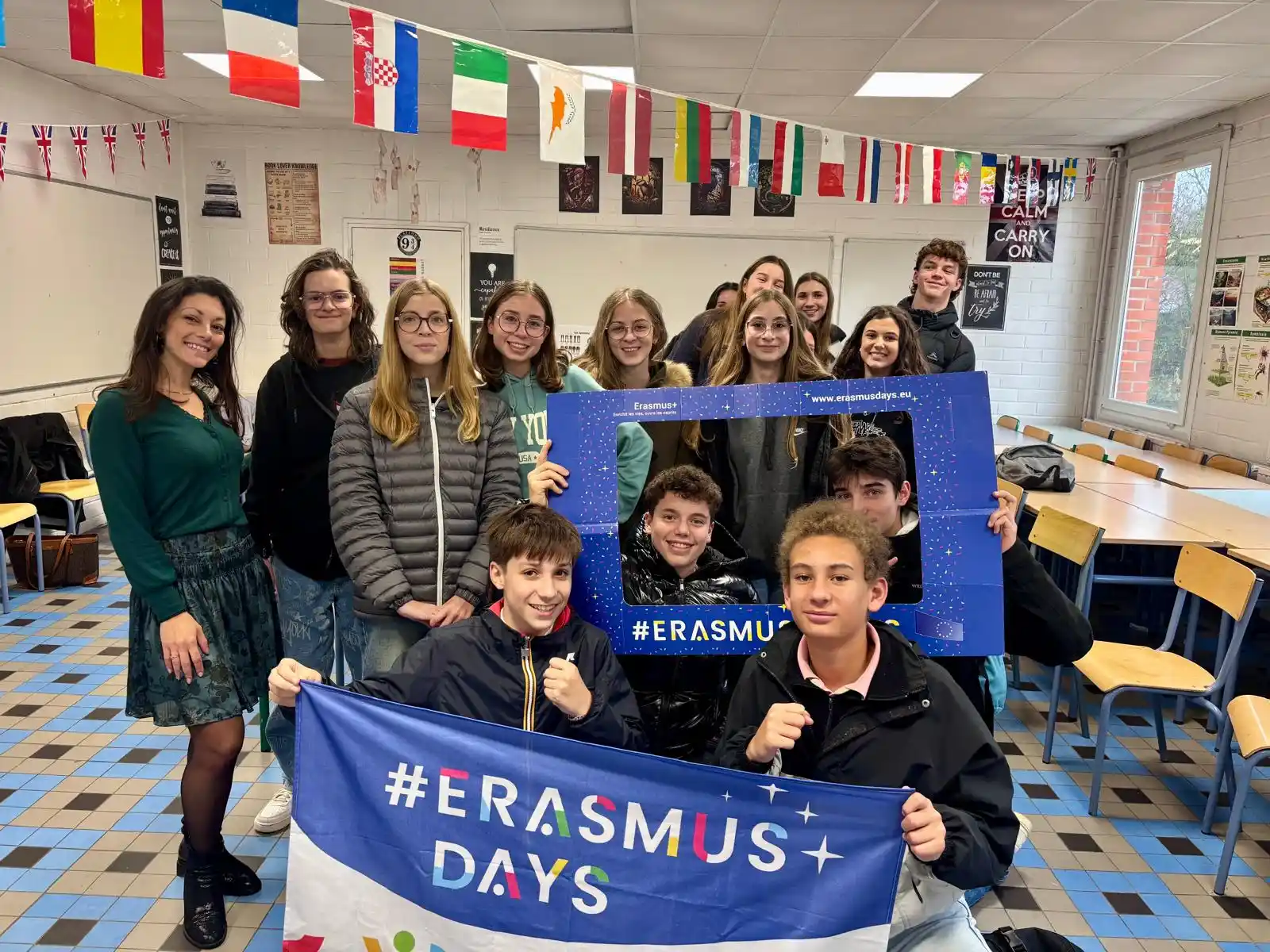
Since January 2021, the Genech Institute Group is Erasmus+ accredited, enabling pupils and students to benefit from mobility programmes funded by the European Union.
THE OBJECTIVES OF THE ERASMUS+ PROGRAMME
Promote European mobility
students at partner institutions.
Improving language skills
and promote multilingualism.
Encourage environmental responsibility
through projects linked to the European Green Deal.
Advancing the digital transition
and blended learning.
Promote inclusion and personal development
Promoting inclusion and personal development
Partner institutions for Erasmus mobility at the Lycée Général
- IES AURINGIS – SPAIN (European Section exchange)
- GOLDBERG GYMNASIUM – SINDELFINGEN – GERMANY (European Section exchange + MUNOG)
- NUESTRA SEÑORA DE LOS REMEDIOS – SPAIN
Our Erasmus programme
The Erasmus+ programme is structured around four main priorities that guide all projects supported at European level. Within this framework, the Erasmus+ project of the Groupe Institut de Genech fully aligns with these strategic directions and aims to:
- Promote environmental protection and support the ecological transition by raising learners' awareness of sustainable development issues and encouraging the adoption of responsible practices.
- Supporting digital transformation by developing the digital skills of learners and educational teams, while promoting the use of innovative pedagogical tools and methods.
- Enhancing participation in democratic life by encouraging civic engagement, intercultural dialogue and the understanding of European values.
- Promoting inclusion and diversity by ensuring equal opportunities, fighting discrimination and facilitating access to mobility for all audiences, particularly the most vulnerable or those furthest removed from international opportunities.
WATCH THE VIDEO
The international on video.
General secondary school
Vocational college
STAV educational pathway
Contact
A question about the European section
or us international pathways ?
The international team at the Institut de Genech is at your disposal to help you with your procedures and answer any questions you may have.
Maddelena Mesnier — Certifications and International Mobility Officer, Genech campus
m.mesnier@institutdegenech.fr
Muriel Picot — European Sections and MUN lead, Genech site
m.picot@institutdegenech.fr
Noémie Baudry — International Mobility Referent, Bavay site
n.baudry@institutdegenech.fr
Audrey Hottin — International mobility lead, Lesquin site
a.hottin@institutdegenech.fr
Steffy Baldini — International mobility lead, Lesquin site
s.baldini@institutdegenech.fr